

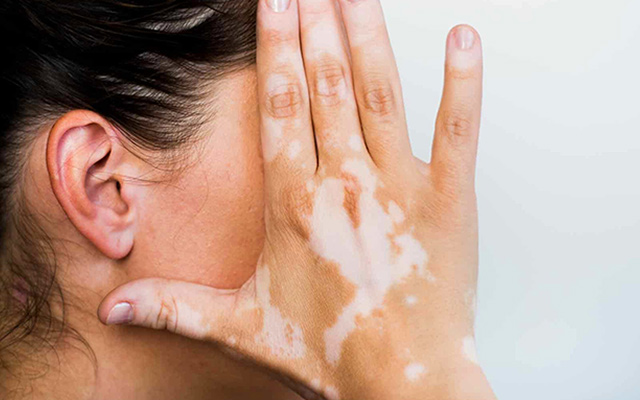
It usually starts small. A faint white patch near your lips, fingers, or elbows. Easy to ignore at first. Maybe you think it’s dryness, a minor reaction, or just a temporary skin issue.
If you’re dealing with vitiligo, feeling self-conscious is completely natural. But staying stuck in confusion or fear? That part is avoidable.
With the right knowledge, timely action, and expert care, vitiligo can be managed effectively. This guide breaks down everything you need to know—from causes and treatments to why choosing Dr Priyanka Aggarwal, the right specialist for a vitiligo consultation in Kolkata, can change your outcome completely.
Understanding Vitiligo: What’s Actually Happening?

Vitiligo is a chronic skin condition where melanocytes—the cells responsible for producing melanin (your skin’s pigment)—stop working or are destroyed.
The result? White patches that may appear on:
- Face
- Hands
- Arms
- Feet
- Lips
- Scalp (causing white hair)
Key facts you shouldn’t ignore:
- It is not contagious
- It can affect people of any age or skin tone
- It often has an autoimmune component
- The progression is unpredictable
Some people experience minimal spread, while others see rapid changes. That unpredictability is why early intervention matters more than most people realise.
The Emotional Impact: Why It Hits Harder Than Expected
Let’s be honest—skin conditions that are visible tend to carry a social weight.
Vitiligo doesn’t hurt physically. But emotionally? It can hit hard.
Many people experience:
- Social anxiety
- Reduced self-confidence
- Fear of judgment
- Avoidance of photos or public events
And here’s something important—stress can actually trigger or worsen vitiligo. So the more it affects you emotionally, the more it can potentially progress.
That’s why addressing both the medical and psychological aspects is critical.
What Causes Vitiligo? (And Why You Should Care)
There isn’t a single cause. Vitiligo is usually the result of multiple factors working together.
Common triggers include:
- Autoimmune disorders (especially thyroid-related conditions)
- Genetic predisposition
- Severe stress or emotional trauma
- Skin injury (cuts, burns, friction)
- Exposure to certain industrial chemicals
Understanding your specific trigger isn’t just interesting—it directly affects your treatment plan.
That’s why getting a professional vitiligo consultation in Kolkata with Dr Priyanka Aggarwal is so important. A personalised diagnosis leads to targeted treatment—not guesswork.
Why Early Treatment Changes Everything
Here’s the part most people underestimate.
Vitiligo is significantly easier to manage in its early stages. Waiting too long can make treatment slower, more complex, and less effective.
Early treatment can:
- Slow or stop progression
- Improve chances of repigmentation
- Prevent new patches from forming
- Reduce long-term emotional stress
If you’ve noticed even small changes, don’t wait. A timely vitiligo consultation in Kolkata with Dr Priyanka Aggarwal can make a measurable difference in how your condition progresses.
Advanced Vitiligo Treatment Options

Let’s clear something up—vitiligo isn’t “untreatable.” It just requires a personalised approach.
1. Topical Treatments
These are often the first line of treatment:
- Corticosteroid creams
- Calcineurin inhibitors
They help reduce inflammation and may restore pigment in early cases.
2. Phototherapy (Light-Based Treatment)
One of the most effective options available today.
- Narrowband UVB therapy (NB-UVB)
- Excimer laser therapy
These treatments stimulate melanocytes and are widely used for both localised and widespread vitiligo.
3. Oral Medications
In some cases, doctors prescribe oral drugs to regulate the immune system and slow disease progression.
4. Surgical Options
For stable vitiligo (no new patches for a while):
- Skin grafting
- Melanocyte transplantation
These methods can restore pigmentation in resistant areas.
5. Cosmetic Solutions
While not a cure, they help immediately:
- Skin camouflage products
- Medical-grade concealers
Because sometimes, confidence today matters just as much as long-term treatment.
Why Your Choice of Doctor Matters More Than You Think
Vitiligo treatment isn’t one-size-fits-all.
What works for one person may not work for another. That’s why expertise matters.
A specialist like Dr Priyanka Aggarwal offers:
- Accurate diagnosis
- Customised treatment plans
- Continuous monitoring
- Adjustments based on progress
When you go for a vitiligo consultation in Kolkata with Dr Priyanka Aggarwal, you’re not just getting treatment—you’re getting a structured plan designed specifically for your skin.
Lifestyle Changes That Support Recovery
Let’s be clear—lifestyle alone won’t cure vitiligo. But ignoring it? That’s a mistake.
Practical habits that help:
- Use sunscreen daily (prevents contrast and protects skin)
- Eat a balanced diet rich in antioxidants and vitamins
- Manage stress actively (yoga, meditation, exercise)
- Avoid harsh skincare products
- Protect skin from injuries
Think of these as “support systems” for your main treatment.
The Growing Importance of Mental Health in Vitiligo Care
This part doesn’t get talked about enough.
Living with vitiligo can affect how you see yourself. And that deserves attention.
What can help:
- Therapy or counselling
- Support groups
- Open conversations with family
- Following positive role models with vitiligo
Confidence isn’t about flawless skin—it’s about understanding and managing your condition.
Why Kolkata Is Becoming a Go-To for Vitiligo Treatment
Kolkata is emerging as a strong centre for dermatological care.
Here’s why:
- Access to experienced specialists
- Availability of advanced treatments like phototherapy
- More affordable compared to larger metro cities
- Better patient-focused care
Choosing a vitiligo consultation in Kolkata with Dr Priyanka Aggarwal gives you access to quality treatment without high costs or long wait times.
When Should You See a Doctor?
Don’t wait for things to “confirm themselves.”
Seek help if you notice:
- New white patches appearing
- Rapid spreading
- White hair in affected areas
- History of autoimmune disease
Early action always leads to better outcomes.
Take Back Control
Vitiligo can feel overwhelming at first. That’s normal.
But here’s the reality—you’re not powerless. With the right treatment, expert guidance, and consistency, you can manage it effectively and regain confidence.
If you’ve been delaying it, this is your sign to act.
Start with a vitiligo consultation in Kolkata with Dr Priyanka Aggarwal. The sooner you begin, the better your chances of controlling and improving your condition.
Book an appointment today.
People Also Ask (PAA)
1. Can vitiligo be completely cured?
There is no guaranteed permanent cure, but treatments can significantly restore pigmentation and control its spread.
2. Is vitiligo treatment safe?
Yes, most treatments like topical creams and phototherapy are safe when supervised by a dermatologist.
3. How long does vitiligo treatment take?
It varies, but visible results often take 3–6 months, depending on the treatment plan.
4. Does diet affect vitiligo?
A healthy diet supports overall skin health but is not a standalone cure.
5. Why is early treatment important for vitiligo?
Early treatment increases the chances of repigmentation and prevents rapid progression.
6. Can vitiligo spread to the entire body?
Yes, in some cases, vitiligo can become widespread, but the progression varies from person to person and can often be controlled with early treatment.
7. Is vitiligo linked to other health conditions?
Vitiligo is sometimes associated with autoimmune disorders like thyroid disease, so a medical evaluation is recommended.
8. What foods should be avoided in vitiligo?
There is no strict restriction, but some doctors suggest limiting processed foods and focusing on a nutrient-rich, balanced diet.
9. Can children develop vitiligo?
Yes, vitiligo can occur at any age, including in children, and early diagnosis helps improve treatment outcomes.
10. Does vitiligo affect hair colour?
Yes, vitiligo can cause hair in affected areas to turn white due to loss of pigment.