

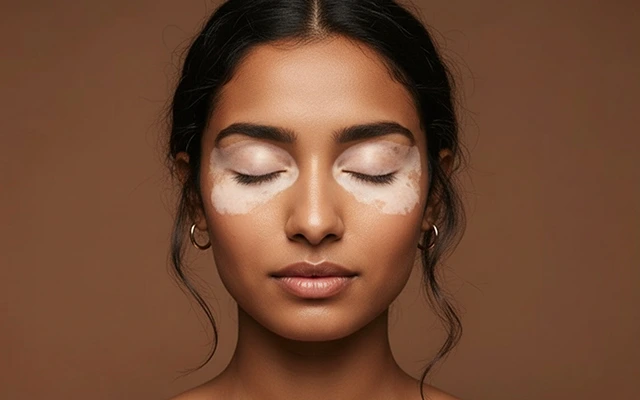
You start treatment with hope, follow instructions, apply creams, and attend therapeutic sessions. And then one day you look at the patch and think, “Why is this taking so long?”
If you are undergoing vitiligo treatment, this emotional phase is extremely common. Vitiligo recovery does not behave like a healing wound or a settling fever. It follows a pigment recovery cycle — and that cycle has stages.
Dr. Priyanka Aggarwal, an expert in vitiligo treatment in Kolkata, often explains to patients that pigment restoration is a biological rebuilding process. It is not instant colouring, it is cellular revival.
Understanding this cycle reduces anxiety. And anxiety, interestingly, can influence immune behaviour too.
Understanding Vitiligo and How It Affects Skin Pigmentation
Before we talk about slow recovery, we need to understand what vitiligo actually does beneath the surface.
What Happens to Melanocytes in Vitiligo
Melanocytes are specialised cells responsible for producing melanin — the pigment that gives skin its colour. In vitiligo, these cells are either destroyed or become inactive due to autoimmune activity.
Your body mistakenly targets pigment cells. When melanocytes reduce or disappear in an area, that skin loses colour.
This is not a surface issue. It is cellular.
Why White Patches Appear on the Skin
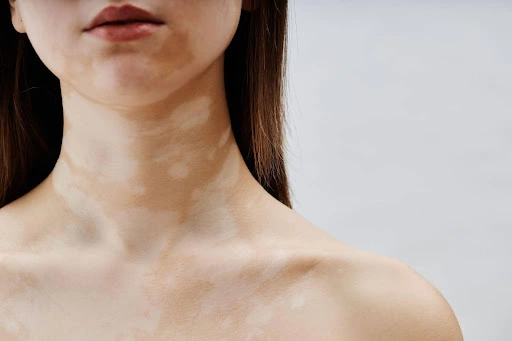
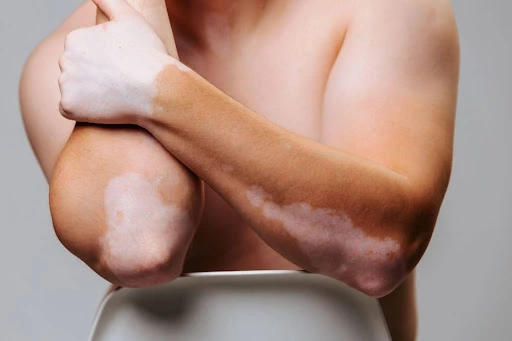
White patches form because melanin production stops. The skin structure remains intact. That’s why vitiligo patches are smooth, not scaly or painful.
The absence of pigment is what makes them noticeable.
How the Immune System Influences Pigment Loss
Vitiligo is strongly linked to immune system imbalance. When immune activity is active, pigment loss continues. When immune activity stabilises, treatment becomes more effective.
This immune behaviour also explains why vitiligo treatment takes time. You are not just restoring pigment. You are calming immune misfiring.
Why Vitiligo Treatment Sometimes Feels Slow
Now that we know what’s happening inside the skin, let’s address the big question — why does progress feel so gradual?
The Natural Cycle of Skin Pigment Recovery
Skin regeneration happens in cycles of roughly 28–45 days. Melanocytes need activation, migration, and melanin production before visible colour appears. This is why the vitiligo repigmentation timeline feels slow.
Why Repigmentation Takes Time
New pigment forms gradually. First as tiny dots. Then as spreading colour. Even after pigment appears, blending takes time.
The Role of Consistency in Treatment
Irregular application, missed phototherapy sessions, or stopping treatment early disrupt the timeline of vitiligo treatment results. Consistency supports cellular stimulation.
Stages of Pigment Recovery in Vitiligo Treatment
Understanding the vitiligo pigment recovery stages helps you track progress realistically.
Stage 1: Stabilisation of Vitiligo Patches
The patch stops expanding. This may not look dramatic, but it is a major milestone.
Stage 2: Early Signs of Repigmentation
Small brown dots appear inside the patch. These are classic early signs of repigmentation in vitiligo.
Stage 3: Gradual Pigment Spread Across the Skin
Dots expand and merge. Pigment begins filling inward or outward.
Stage 4: Blending of Pigment with Natural Skin Tone
Edges soften and colour evens out gradually. This blending phase can take several months.
How Long Does Vitiligo Repigmentation Usually Take
So what does this timeline look like in real life? Let’s break it down month by month.
First Few Months of Treatment
In the first 1–3 months, the goal is immune stabilisation. Visible pigment may be minimal.
Visible Repigmentation After Several Months
Between 3–6 months, noticeable pigment recovery may begin — depending on location and treatment type.
Long-Term Pigment Recovery Timeline
Full repigmentation may take 9–18 months in some cases. That is the honest answer to “how long does vitiligo treatment take.”
Early Signs That Vitiligo Treatment Is Working
Look for subtle clues:
Appearance of Small Pigment Dots
Tiny speckles inside white patches are positive signals.
Pigment Formation Around Hair Follicles
Hair follicles often act as pigment reservoirs.
Reduction in Size of White Patches
Edges shrinking inward show recovery.
These changes are gradual. But they matter.
Factors That Influence the Speed of Vitiligo Pigment Recovery
Not all patches respond equally. Several factors quietly influence how fast colour returns.
Location of the Vitiligo Patches
Face and neck respond faster. Hands and feet are slower. This is one of the biggest factors affecting vitiligo repigmentation.
Age and Skin Type of the Patient
Younger patients often show quicker cellular response.
Duration of the Condition
Long-standing patches may take longer due to melanocyte depletion.
Type of Treatment Used
Topicals, phototherapy, lasers, or surgical options each have different timelines. For example, the timeline of vitiligo phototherapy results typically requires consistent sessions over months.
Vitiligo Treatments That Support Pigment Recovery
Different treatments stimulate pigment in different ways, and the approach matters.
Topical Treatments for Vitiligo
These reduce immune activity and stimulate melanocyte recovery.
Phototherapy for Stimulating Melanocytes
Narrowband UVB encourages pigment cell activation.
Laser and Advanced Dermatology Treatments
Targeted light helps stubborn patches.
Surgical Options for Stable Vitiligo
Melanocyte transplantation may benefit stable, resistant areas.
Dr. Priyanka Aggarwal, an expert in vitiligo treatment in Kolkata, focuses on structured treatment sequencing rather than random combinations.
Why Some Areas of the Body Respond Faster Than Others
Ever noticed how the face improves faster than hands or feet? There’s biology behind that.
Face and Neck Response to Treatment
Better blood supply and higher follicle density improve response.
Challenges in Treating Hands and Feet
Lower follicle count and friction reduce repigmentation speed.
Importance of Hair Follicles in Repigmentation
Hair follicles contain dormant melanocytes that can reactivate.
Tips to Support the Pigment Recovery Cycle During Treatment
While treatment does its work, there are simple habits that can support the recovery cycle.
Following Dermatologist Instructions Carefully
Irregular care slows results.
Maintaining Healthy Skin Care Habits
Avoid harsh chemicals and friction.
Managing Stress and Lifestyle Factors
Stress influences immune response. On the other hand, immune response influences pigment.
When to Consult a Dermatologist for Vitiligo Treatment
If patches spread rapidly, plateau for long periods, or if you are unsure about progress, consult a specialist.
Structured evaluation improves outcomes. Early expert care prevents unnecessary delays and helps you find the right guidance.
Patience and Consistency in Vitiligo Treatment
Vitiligo recovery is not dramatic. It is deliberate. It moves through predictable cycles. Understanding these cycles makes the journey less stressful.
For personalised and structured vitiligo treatment in Kolkata, Dr. Priyanka Aggarwal focuses on evidence-based protocols and realistic timelines.
Pigment does return. But it returns on one’s biological clock.
Ready to understand your recovery cycle better?
Book your consultation today.
People Also Ask
- How long does vitiligo treatment usually take to show results?
Visible improvement often begins within 3–6 months. Full repigmentation may take longer depending on the patch location and treatment type.
- Can vitiligo repigmentation stop temporarily?
Yes, temporary plateaus are common during recovery. Pigment return can pause before progressing again as part of the natural cycle.
- Is slow progress normal in vitiligo treatment?
Yes, gradual improvement is completely normal. Pigment cells regenerate and spread in stages, not instantly.
- Can vitiligo patches return after treatment?
Recurrence is possible without proper follow-up or maintenance therapy. Regular monitoring helps reduce the risk of relapse.
- Why does vitiligo treatment take time?
Treatment works by calming the immune response and reactivating melanocytes.
Cellular repair and pigment production naturally require gradual biological adjustment.