

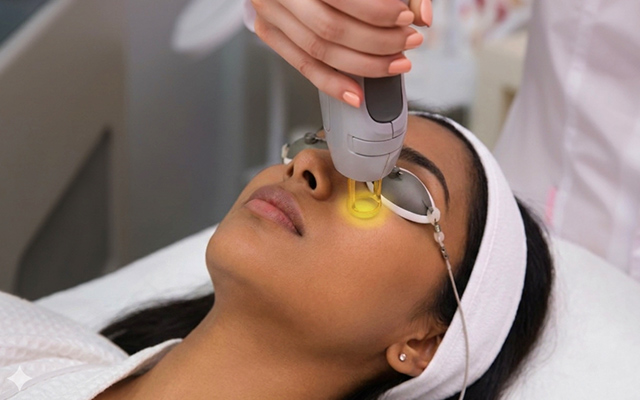
When it comes to vitiligo treatment, most people ask the same question: “Which option is best—laser, creams, or therapy?”
Fair question. But here’s the honest answer—there is no universal “best” treatment. What works brilliantly for one person may do very little for another.
Dermatologists don’t just pick a treatment randomly—they build a strategy based on your skin, your condition stage, and how your body responds.
If you’ve ever felt confused by conflicting advice online, this guide will clear things up. Let’s break down how experts actually decide your treatment plan—and why choosing Dr Priyanka Aggarwal, the best dermatologist in Kolkata for vitiligo, can make all the difference.
First Things First: Why Treatment Plans Are Personalised
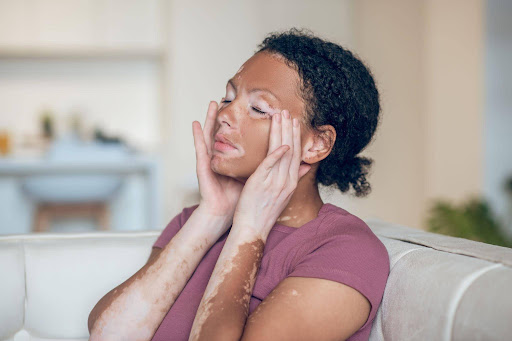
Before jumping into treatments, dermatologists assess multiple factors. This step is critical—and often overlooked by patients trying DIY solutions.
What doctors evaluate:
- Type of vitiligo (segmental vs non-segmental)
- Extent of skin involvement
- Rate of progression
- Location of patches (face vs hands vs joints)
- Age and overall health
- Previous treatments (if any)
Creams: The First Line of Defence
Topical treatments are often where things begin—especially in early or localised vitiligo.
Common options:
- Corticosteroid creams (reduce inflammation)
- Calcineurin inhibitors (safer for sensitive areas like the face and neck)
When dermatologists choose creams:
- Small, newly developed patches
- Early-stage vitiligo
- Areas like the face, where response is typically better
Pros:
- Easy to use
- Non-invasive
- Effective in early stages
Limitations:
- Slower results
- Not ideal for widespread vitiligo
Dr Priyanka Aggarwal, a skilled specialist, knows exactly when creams are enough and when it’s time to step things up.
Laser Treatment: Targeted and Precise
Laser therapy, especially excimer laser, has changed the game for vitiligo treatment.
How it works:
It delivers targeted UVB light to affected areas, stimulating melanocytes to produce pigment again.
Best suited for:
- Localised vitiligo
- Resistant patches
- Areas that haven’t responded to creams
Why dermatologists recommend it:
- Faster response in some cases
- Highly targeted (doesn’t affect surrounding skin)
- Fewer sessions compared to full-body therapy
Downsides:
- Requires multiple sessions
- Can be costlier than topical treatments
Laser isn’t always the first step—but when used correctly, it can deliver impressive results.
Phototherapy (Light Therapy): The Gold Standard for Many
If vitiligo is more widespread, dermatologists often recommend Narrowband UVB (NB-UVB) phototherapy.
What makes it effective:
- Treats larger areas of the body
- Stimulates pigment production over time
- Proven track record in dermatology
Ideal for:
- Generalised vitiligo
- Patients with multiple patches
- Cases where creams alone aren’t enough
Benefits:
- Safe for long-term use (under supervision)
- Can be combined with topical treatments
- Suitable for both adults and children
Challenges:
- Requires consistency (2–3 sessions per week)
- Results take time (patience is key)
This is where guidance from Dr Priyanka Aggarwal, the best dermatologist in Kolkata for vitiligo, becomes crucial—because consistency without the right protocol won’t get you results.
Combination Therapy: Where Real Results Happen
Here’s something many people don’t realise—dermatologists rarely rely on just one treatment.
Common combinations:
- Creams + phototherapy
- Laser + topical medications
- Oral medication + light therapy
Why combination works:
- Targets multiple pathways
- Improves effectiveness
- Speeds up visible results
This layered approach is often what separates average results from noticeable improvement.
When Do Dermatologists Consider Surgery?
Surgical treatments are usually the last step—and only for specific cases.
Considered when:
- Vitiligo is stable (no new patches for 6–12 months)
- Other treatments haven’t worked
- Patches are resistant but localised
Options include:
- Skin grafting
- Melanocyte transplantation
Important note:
Surgery is not for everyone. It requires careful evaluation and expertise.
How the Location of Patches Affects Treatment Choice
Not all areas of the body respond the same way.
High-response areas:
- Face
- Neck
Moderate response:
- Arms
- Legs
Challenging areas:
- Hands
- Feet
- Lips
Dermatologists adjust treatment intensity and type based on location—which is why personalised care matters so much.
The Role of Lifestyle in Treatment Decisions
Let’s get one thing straight—lifestyle doesn’t replace treatment. But it does influence outcomes.
Dermatologists often advise:
- Sun protection (to prevent contrast)
- A balanced diet rich in vitamins and antioxidants
- Stress management (because stress is a known trigger)
- Avoiding skin trauma
These factors can impact how well your treatment works.
Why Self-Treatment Often Fails
It’s tempting to try:
- Home remedies
- Random creams
- Internet “miracle cures”
But here’s the problem—without understanding your condition, you’re guessing.
Risks of self-treatment:
- Delayed proper care
- Worsening of patches
- Wasted time and money
That’s why consulting Dr Priyanka Aggarwal, the best dermatologist in Kolkata for vitiligo, is not just helpful—it’s necessary.
Why Kolkata Is Emerging as a Treatment Hub
Kolkata is becoming a strong destination for dermatological care.
Reasons include:
- Access to experienced specialists
- Advanced treatment technologies
- Cost-effective care
- Personalised patient attention
Patients are increasingly choosing Kolkata for quality care without the overwhelming costs of larger metro cities.
What to Expect During Your Consultation
If you’re visiting a dermatologist for vitiligo, here’s what typically happens:
Step-by-step:
- Detailed skin examination
- Medical history review
- Assessment of progression
- Discussion of treatment options
- Customised plan creation
It’s Not About the Treatment—It’s About the Strategy

Laser, creams, or therapy—none of these is “the best” on their own.
The real answer lies in:
- Correct diagnosis
- Right timing
- Combination of treatments
- Consistency
Vitiligo management is a journey. And like any journey, the guide you choose matters.
If you’re serious about results, consult the best dermatologist in Kolkata for vitiligo, Dr Priyanka Aggarwal, and start with a plan that’s actually designed for you.
Schedule a consultation today.
People Also Ask (PAA)
1. Which treatment is most effective for vitiligo?
Effectiveness depends on the individual, but combination therapies often deliver the best results.
2. Is laser treatment safe for vitiligo?
Yes, laser therapy, like an excimer laser, is considered safe when performed under medical supervision.
3. How long does vitiligo treatment take to show results?
Most treatments take a few months to show visible improvement, depending on the severity.
4. Can vitiligo return after treatment?
Yes, recurrence is possible, which is why ongoing monitoring is important.
5. Why is personalised treatment important for vitiligo?
Because the condition varies greatly between individuals, a personalised plan ensures better outcomes.
6. Can vitiligo be treated without laser therapy?
Yes, many cases are effectively managed with topical creams and phototherapy without needing laser treatment.
7. Are steroid creams safe for long-term vitiligo treatment?
Steroid creams are effective but should be used under medical supervision to avoid side effects from prolonged use.
8. What is the success rate of phototherapy for vitiligo?
Phototherapy has shown good success rates, especially when started early and followed consistently over time.
9. How do dermatologists decide between laser and phototherapy?
The choice depends on the size, location, and stability of vitiligo patches, along with the patient’s overall condition.
10. Can vitiligo treatment stop the spread completely?
While not guaranteed, early and appropriate treatment can significantly slow or even stop the spread in many cases.
11. Is vitiligo treatment different for children and adults?
Yes, treatment plans may vary based on age, skin sensitivity, and safety considerations, with gentler approaches often used for children.
12. Can lifestyle changes improve vitiligo treatment results?
Lifestyle changes like managing stress, protecting skin from sun damage, and maintaining a balanced diet can support medical treatment and improve outcomes.