

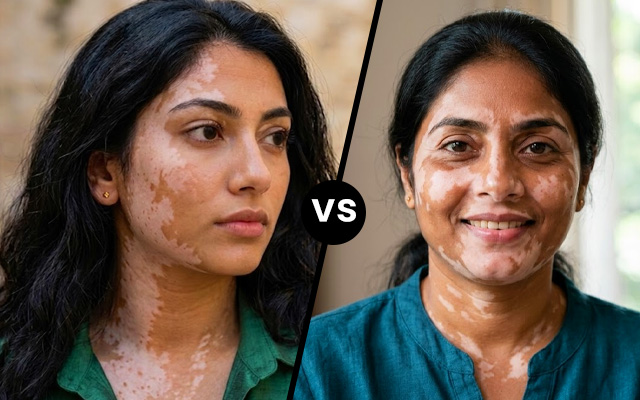
Vitiligo is more than just a skin condition—it’s a journey, an emotional rollercoaster, and sometimes, a confidence challenge. While many of us recognise the characteristic pale patches, few understand that vitiligo comes in distinct forms: segmental and non-segmental.
Knowing the variations can make all the difference in seeking the right treatment and support. If you’re searching for the best dermatologist in Kolkata for vitiligo, Dr. Priyanka Aggarwal provides expert care as per your specific type, ensuring a compassionate and results-driven approach.
In this blog, we’ll break down the two main forms, explore their causes, progression patterns, treatment options, and offer practical tips for managing life with vitiligo. Let’s dive in.
What is Vitiligo?
Vitiligo is a condition where the skin loses its natural pigment due to the destruction or malfunction of melanocytes—the cells responsible for producing melanin.
The exact cause is still being researched, but it is widely believed to involve autoimmune mechanisms, genetic predisposition, and environmental triggers.
The condition is not contagious but can significantly impact emotional well-being and social confidence.
Segmental Vitiligo: One Side of the Story
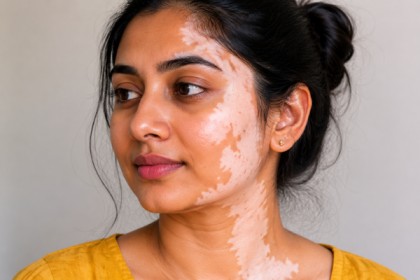
Segmental vitiligo (SV) is characterised by patches appearing on one side of the body, often following a dermatome (a nerve distribution pattern). Typically, SV:
- Appears at a younger age, usually under 20.
- Progresses rapidly initially but stabilises sooner than non-segmental vitiligo.
- Affects one side of the body or specific areas like the face, trunk, or limbs.
- Is less commonly associated with autoimmune diseases compared to non-segmental vitiligo.
Key Features
- Early Onset: SV often appears in childhood or adolescence.
- Unilateral Pattern: The pigmentation loss usually affects only one side.
- Stable Progression: Once it spreads, the condition may remain relatively stable.
- Treatment Response: Topical corticosteroids, calcineurin inhibitors, and surgical options (like melanocyte transplant) tend to be more effective due to localised patches.
Non-Segmental Vitiligo: The Widespread Form
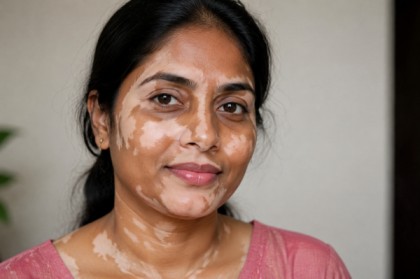
Non-segmental vitiligo (NSV) is the more common type and is typically symmetrical, meaning it appears on both sides of the body. NSV can start at any age and is often associated with other autoimmune conditions such as thyroid disease, diabetes, or alopecia areata.
Key Features
- Symmetrical Patches: Commonly appears on hands, feet, face, and around body orifices.
- Progressive Nature: NSV tends to spread over time, sometimes rapidly.
- Autoimmune Links: Often coexists with other autoimmune disorders.
- Treatment Challenges: NSV is more resistant to treatment and may require combination therapies like phototherapy, topical medications, and systemic options.
Segmental vs Non-Segmental Vitiligo: At a Glance
Here’s a concise comparison to highlight the key differences:
| Feature | Segmental Vitiligo (SV) | Non-Segmental Vitiligo (NSV) |
| Onset Age | Usually <20 years | Can appear at any age |
| Pattern | Unilateral, follows a dermatome | Symmetrical, often bilateral |
| Progression | Rapid initially, then stabilises | Gradual, progressive over time |
| Autoimmune Association | Rare | Common, often with thyroid disease or diabetes |
| Response to Treatment | Generally better due to localised patches | Often slower and variable |
| Common Areas | Face, trunk, limbs (one side) | Hands, feet, face, around orifices |
| Emotional Impact | Distress due to visible but localised patches | Widespread patches may affect self-esteem more significantly |
Causes and Triggers
While the exact mechanisms behind vitiligo are complex, several factors play a role in both SV and NSV:
- Autoimmune Factors: The immune system mistakenly attacks melanocytes, especially in NSV.
- Genetic Factors: A family history increases susceptibility.
- Neurogenic Factors: Particularly relevant in SV, where nerve distribution patterns are involved.
- Environmental Triggers: Skin trauma, sunburn, stress, or chemical exposure can worsen pigmentation loss.
- Oxidative Stress: Imbalance between free radicals and antioxidants damages melanocytes.
Treatment Options for Each Type
Treatment depends on the type, extent, and location of vitiligo. The goal is to halt progression, restore pigmentation, and improve psychological well-being.
Segmental Vitiligo Treatments
- Topical Corticosteroids: Reduce inflammation and immune attack locally.
- Calcineurin Inhibitors: Useful for sensitive areas like the face.
- Surgical Options: Techniques like melanocyte transplantation or skin grafting work well because SV patches are localised.
- Phototherapy: Limited use, often adjunctive.
Non-Segmental Vitiligo Treatments
- Topical Therapies: Corticosteroids or immunomodulators.
- Phototherapy: Narrowband UVB therapy is effective for widespread NSV.
- Systemic Treatments: Oral steroids or immunosuppressants in rapidly progressive cases.
- Camouflage and Support: Cosmetic cover-ups and psychological counselling for extensive patches.
For patients in Kolkata, consulting Dr Priyanka Aggarwal, the best dermatologist in Kolkata for vitiligo, can help create a personalised treatment plan suited to your vitiligo type and skin tone.
Living with Vitiligo: Practical Tips
Regardless of type, coping with vitiligo involves both physical and emotional strategies:
- Sun Protection: UV exposure can worsen pigment loss; sunscreen is essential.
- Skin Care Routine: Moisturisers help maintain skin barrier function.
- Diet and Antioxidants: Some evidence suggests antioxidant-rich foods may support melanocyte health.
- Psychological Support: Joining support groups or seeking therapy can reduce stress and social anxiety.
- Regular Follow-Ups: Monitor for new patches or progression with your dermatologist.
Segmental vs Non-Segmental Vitiligo: Key Considerations
- Diagnosis: Dermatologists use clinical examination and, if needed, tools like Wood’s lamp to differentiate the type.
- Prognosis: SV tends to stabilise sooner; NSV may progress over years.
- Treatment Planning: Understanding the type helps in choosing the right combination of therapies, improving outcomes, and reducing frustration.
- Quality of Life: Both types can impact self-esteem, but effective treatment and support can dramatically improve daily life.
When to See a Dermatologist
Vitiligo may not always cause physical discomfort, but early intervention can improve results, especially for localised SV. Consult a dermatologist if you notice:
- New or spreading white patches
- Rapid progression over weeks or months
- Family history of autoimmune conditions
- Emotional distress due to visible patches
Early consultation allows dermatologists like Dr. Priyanka Aggarwal to customise therapy based on vitiligo type, ensuring a proactive and effective approach.
Understanding Your Vitiligo for Better Outcomes
Vitiligo is not a one-size-fits-all condition. Recognising whether you have segmental or non-segmental vitiligo shapes treatment decisions, prognosis expectations, and emotional support strategies.
Segmental vitiligo is often limited to one side, stabilises sooner, and responds well to localized treatments. Non-segmental vitiligo is more common, symmetrical, progressive, and may require multi-modal therapy.
For anyone navigating this journey, expert guidance is key. Consulting Dr Priyanka Aggarwal, the best dermatologist in Kolkata for vitiligo, ensures a personalised plan and access to advanced treatment options.
Remember, vitiligo is manageable, and early, informed care can make a world of difference—both for your skin and your confidence.
People Also Ask
1. What is the main difference between segmental and non-segmental vitiligo?
Segmental vitiligo appears on one side of the body, often in a linear pattern, while non-segmental vitiligo is symmetrical and can affect multiple areas. The progression and treatment response also differ between the two types.
2. Can vitiligo be cured completely?
There is currently no complete cure for vitiligo, but treatments can restore pigmentation, stop progression, and improve skin appearance. Early intervention often leads to better outcomes.
3. Is segmental vitiligo more common in children?
Yes, segmental vitiligo typically appears in childhood or adolescence, whereas non-segmental vitiligo can start at any age. Early diagnosis helps in targeted treatment.
4. How do dermatologists treat non-segmental vitiligo?
Non-segmental vitiligo is treated with topical medications, phototherapy, or systemic therapies depending on severity and spread. Cosmetic camouflage and psychological support are often recommended.
5. Does vitiligo affect emotional health?
Yes, both types of vitiligo can impact self-esteem and mental well-being due to visible skin changes. Support groups, counselling, and dermatologist guidance can help manage emotional stress.