

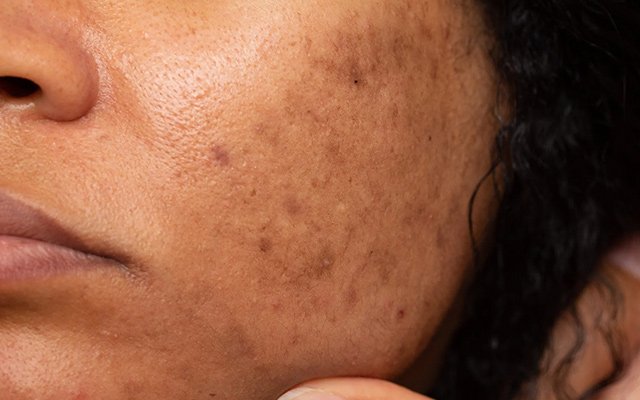
Dark spots do not arrive with a warning. One week, your skin looks even. Next week, there is a brown patch near your cheek, a mark after acne, or a shadow around your forehead that refuses to fade.
If you want visible, safe, and lasting improvement, the first step is understanding what type of pigmentation you have and what your skin actually needs.
Consulting a skin doctor can help you move from guessing to a proper treatment plan.
What Type of Dark Spot Do You Have?
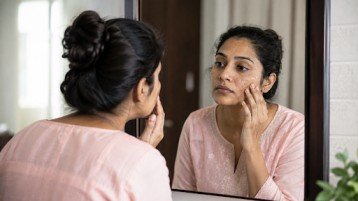
Before treating pigmentation, you need to know what you are treating. Not all dark spots are the same. This is where many people go wrong.
1. Post-acne marks
These are the brown or dark marks left behind after acne heals. They are very common, especially if you have picked, squeezed, or scratched your pimples.
Your skin becomes inflamed during acne. Once the pimple settles, the skin may produce extra melanin during healing. That leftover pigment becomes the dark mark.
2. Sun spots
These usually appear on areas exposed to sunlight, like the cheeks, forehead, nose, hands, and neck. They may look like small brown patches or flat spots.
The problem? Sun damage is cumulative.
3. Melasma
Melasma appears as brown or greyish-brown patches, often on the cheeks, forehead, upper lip, or jawline. It is commonly linked to hormones, pregnancy, oral contraceptives, genetics, and sun exposure.
Melasma is not a simple surface stain. It can be stubborn and needs a careful, long-term plan.
4. Pigmentation after skin irritation
Waxing, threading, harsh scrubs, burns, allergic reactions, and even overuse of active skincare can leave pigmentation behind.
Sometimes, the dark spot is not from a big injury. It may come from repeatedly irritating the same area.
Why Do Dark Spots Refuse to Fade Quickly?
Now let’s talk about the most frustrating part. Why do these marks take so long to go?
Some spots are superficial, meaning the pigment is closer to the top layer of skin. These are usually easier to improve. Others are deeper and need more time, patience, and professional treatment.
Also, your skin renews itself slowly. Treatments do not “erase” pigment overnight. They work by reducing excess melanin production, gently removing pigmented cells, calming inflammation, and protecting the skin from new damage.
So, if a product promises spotless skin in 3 days, please let your common sense enter the chat.
The Biggest Mistake: Treating All Dark Spots the Same Way
Many people buy random creams after seeing before-after photos online. But pigmentation treatment must be customised.
A cream that helps one person may irritate another. A peel that works beautifully for one skin type may worsen pigmentation in another if done incorrectly. A laser that gives good results for sun spots may not be ideal for active melasma.
This is why diagnosis matters.
A dermatologist checks:
- What type of pigmentation you have
- How deep it appears
- Whether acne, hormones, sun exposure, or inflammation caused it
- Your skin type and sensitivity
- Whether your current skincare is helping or secretly creating more trouble
Once the cause is clear, treatment becomes targeted instead of trial and error.
How Dermatology Treatments Actually Work
Dermatology treatments for dark spots do not simply “bleach” the skin. Good treatment aims to bring skin tone back to a healthier, more even state.
The main goals are:
- Slow down extra melanin production
- Reduce existing pigmentation
- Improve skin cell turnover
- Calm irritation and inflammation
- Prevent the spots from coming back
Now let’s look at the treatment options.
1. Prescription Creams
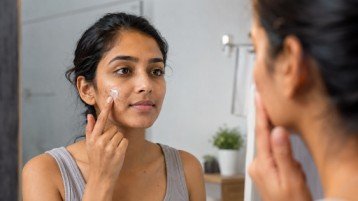
Prescription creams are often the first step in treating pigmentation. They work gradually but can be very effective when used correctly.
Depending on your skin condition, a dermatologist may recommend ingredients such as:
- Retinoids
- Azelaic acid
- Kojic acid
- Vitamin C
- Niacinamide
- Hydroquinone in selected cases
- Mild exfoliating agents
These ingredients work in different ways. Some reduce pigment production, speed up skin renewal, calm inflammation, or strengthen the skin barrier.
When your barrier is irritated, pigmentation can get worse. That means the “aggressive glow-up routine” can backfire badly.
2. Sunscreen
You can use the best creams, peels, and lasers, but if you skip sunscreen, dark spots can return or become darker. Sunlight stimulates melanin production. Even indoor light and heat can worsen some pigmentation conditions, especially melasma.
A good sunscreen helps protect the skin from further pigment formation. It also allows treatments to work better.
Use sunscreen every morning, even if you are indoors. Reapply if you sweat, travel, or spend time near windows or outdoors.
This is the part where many people lose the battle. Not because treatment failed, but because sun protection was inconsistent.
3. Chemical Peels
The peel uses safe chemical solutions to exfoliate the skin and encourage fresh skin renewal. For pigmentation, peels can help reduce dullness, improve uneven tone, and fade certain superficial dark spots.
Commonly used peel ingredients may include glycolic acid, salicylic acid, lactic acid, mandelic acid, or other dermatologist-selected solutions.
The strength, type, and frequency must be chosen carefully. This is especially important for Indian skin, which can be more prone to post-inflammatory hyperpigmentation if treated too aggressively.
Done right, peels can be helpful. Done randomly, they can create a new pigmentation problem. Not exactly the plot twist we want.
4. Laser Treatments
Lasers can help with certain types of pigmentation, especially sun spots and selected deeper pigmentation concerns. They work by targeting pigment particles in the skin so the body can gradually clear them.
Pigmentation usually needs multiple sessions, maintenance skincare, and strict sun protection. Also, not every pigmentation type should be treated with a laser first. For example, melasma may worsen if treated incorrectly.
That is why laser treatment should be planned by someone who understands skin type, pigment behaviour, and risk control.
5. Microneedling and Combination Treatments
For some people, pigmentation comes with acne scars, rough texture, or dullness. In such cases, dermatologists may suggest combination treatments.
Microneedling, peels, topical medicines, and device-based treatments may be used together depending on the case.
Dark Spots Require Strategic Treatment
Dark spots need a calm, planned, dermatologist-guided approach. The right treatment can fade pigmentation, improve skin tone, and prevent repeated flare-ups, but only when the root cause is understood.
Dr Priyanka Aggarwal, the best skin doctor in Newtown, can offer safe and personalised care.
Get in touch with the expert today.
People Also Ask
1. What is the main cause of dark spots on the face?
Dark spots usually happen due to extra melanin production triggered by sun exposure, acne, inflammation, hormones, or skin injury. The exact cause must be identified before choosing treatment, because every pigmentation type behaves differently.
2. Can dark spots be removed permanently?
Some dark spots can fade significantly with the right treatment, but recurrence is possible if triggers continue. Sunscreen, maintenance skincare, and treating the root cause are important for long-term control.
3. Which treatment is best for dark spots?
The best treatment depends on the type, depth, and cause of pigmentation.
A dermatologist may suggest prescription creams, chemical peels, lasers, or combination treatments after examining the skin.
4. How long does it take for dark spots to fade?
Mild marks may improve within weeks, while deeper or stubborn pigmentation may take several months. Consistency matters because pigmentation treatment works gradually, not instantly.
5. Does sunscreen help fade dark spots?
Sunscreen helps stop dark spots from getting darker and supports other treatments.
Without sun protection, pigmentation can return even after creams, peels, or laser sessions.