

Noticing a new white patch on your skin can feel unsettling. The mind races ahead: Is it vitiligo? Will it spread? What happens next?
If you’re planning your first visit to a vitiligo doctor, knowing what to expect can remove a lot of anxiety. A consultation is not just about confirming a diagnosis. It’s about understanding your skin, your immune behaviour, and building a structured treatment roadmap.
Dr. Priyanka Aggarwal, a vitiligo specialist in Kolkata, approaches the vitiligo diagnosis process with clarity and precision. When you understand what’s happening, fear reduces — and planning becomes easier.
Let’s walk through what actually happens during that first appointment.
Understanding Vitiligo and the Importance of Early Diagnosis

Before diving into consultation steps, it helps to understand what vitiligo really is.
What Is Vitiligo and How It Affects Skin Pigmentation
Vitiligo is an autoimmune pigment disorder where melanocytes — the cells that produce melanin — are damaged or destroyed. Without melanin, skin loses colour in patches.
It’s not infectious. It’s not caused by poor hygiene. It’s a cellular condition influenced by immune behaviour.
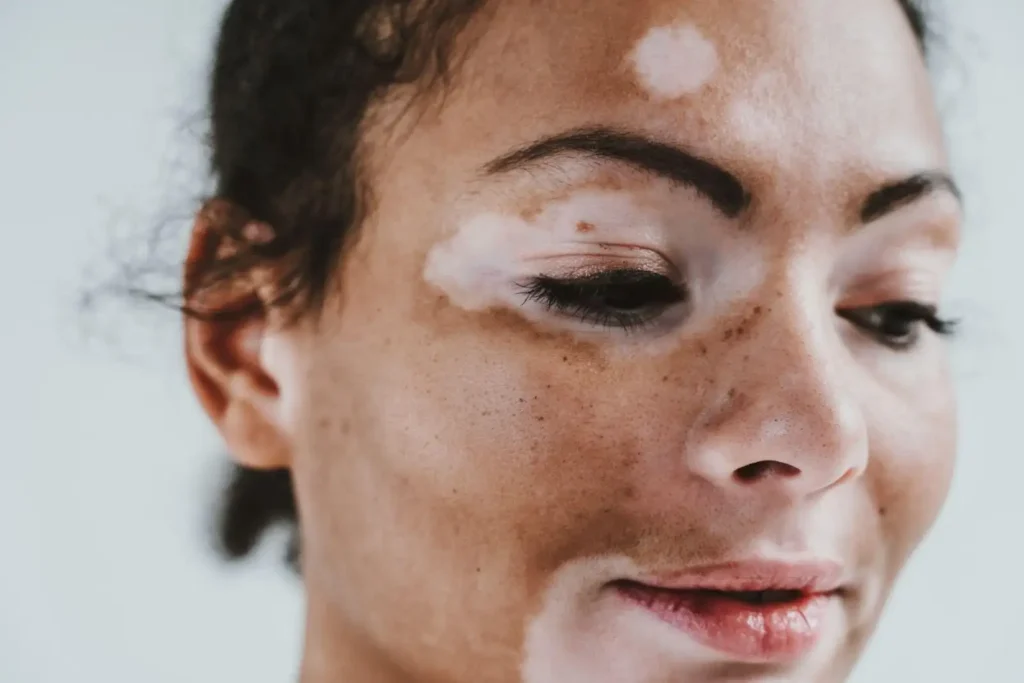
Common Signs That Indicate Vitiligo
- Well-defined white patches
- Symmetrical patch distribution
- Premature greying of hair in affected areas
- Colour loss on lips or fingertips
Recognising these early supports early diagnosis of vitiligo, which improves treatment outcomes.
Why Early Medical Evaluation Matters
The earlier vitiligo is assessed, the better the chance of stabilising active patches. Early intervention can slow spread and support better pigment recovery.
When Should You Visit a Vitiligo Specialist
Some people wait months before seeking help. But timing matters.
Appearance of White Patches on the Skin
If you notice new depigmented areas, don’t self-diagnose. A proper vitiligo consultation is crucial.
Changes in Skin Pigmentation Over Time
If patches are increasing or spreading, immediate evaluation is recommended.
Family History or Autoimmune Conditions
A personal or family history of thyroid disease or autoimmune disorders increases the need for expert assessment.
What to Expect During Your First Visit to a Vitiligo Specialist
Many patients wonder what happens during the first visit to a vitiligo specialist. It’s structured and detailed.
Detailed Medical History Discussion
Your doctor will ask about:
- When patches first appeared
- Speed of spread
- Stress events
- Family history
- Previous treatments
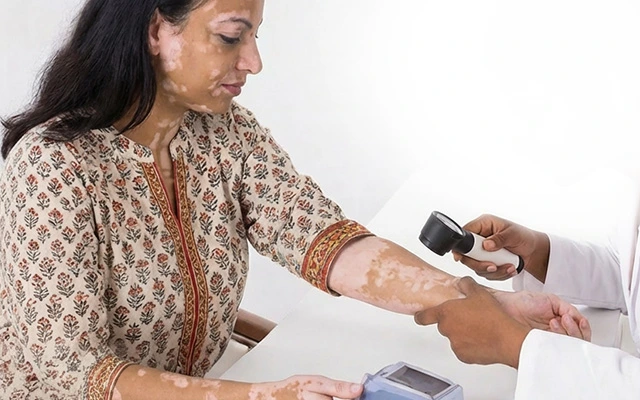
Physical Examination of the Skin
The dermatologist will carefully examine:
- Patch colour and borders
- Hair involvement
- Body distribution
Assessment of Patch Distribution and Progression
Understanding whether the condition is segmental, symmetrical, stable, or active helps shape the treatment plan.
This entire vitiligo diagnosis process is about precision, not guesswork.
Diagnostic Tests Used to Confirm Vitiligo
In most cases, vitiligo is clinically diagnosed. However, certain tests support confirmation.
Wood’s Lamp Examination
A Wood’s lamp uses ultraviolet light to highlight pigment loss clearly. It helps identify early or subtle patches.
Blood Tests to Check Autoimmune Conditions
Blood tests may evaluate thyroid function or other autoimmune markers.
These are part of the broader tests used to diagnose vitiligo.
Skin Biopsy in Rare Cases
In unclear cases, a biopsy may be performed. It’s rare and usually unnecessary in typical presentations.
Understanding the Type and Stage of Vitiligo
Correct classification influences treatment planning by dermatologist.
Segmental Vitiligo
Usually affects one side of the body and stabilises earlier.
Non-Segmental Vitiligo
More common and often symmetrical.
Stable vs Active Vitiligo
Active vitiligo shows new or expanding patches. Stable vitiligo remains unchanged for months.
Determining stability is critical before starting advanced therapies.
Creating a Personalised Vitiligo Treatment Plan
This is where structured planning begins.
Factors Considered Before Choosing Treatment
- Patch stability
- Patient age
- Duration of condition
- Immune status
Evaluating Patch Location and Severity
Face responds differently from hands or feet. Treatment is personalised accordingly.
Setting Realistic Treatment Expectations
One of the most important consultation steps is setting honest timelines. Pigment recovery is gradual.
Dr. Priyanka Aggarwal, a vitiligo specialist in Kolkata, ensures that treatment matches your stage and skin biology.
Common Treatment Options Recommended by Specialists
Treatment depends on stage and stability.
Topical Medications for Early Vitiligo
Topical steroids or immunomodulators reduce immune activity.
Phototherapy for Pigment Restoration
Narrowband UVB stimulates melanocyte activity. Many patients ask about available vitiligo treatments and phototherapy is commonly recommended.
Laser Treatments for Targeted Areas
Excimer laser can treat specific resistant patches.
Surgical Options for Stable Vitiligo
Melanocyte transplantation may be considered for stable patches.
Each option is chosen based on structured evaluation, not urgency.
How Doctors Monitor Progress After the First Visit
Treatment doesn’t end with prescription.
Tracking Repigmentation Over Time
Doctors monitor small pigment dots, edge reduction, and colour blending.
Adjusting Treatment Based on Response
If response slows, therapy may be modified.
Importance of Regular Follow-Up Visits
Consistency improves long-term outcomes.
Preparing for Your Dermatology Consultation
Preparation improves clarity.
Questions to Ask Your Vitiligo Specialist
- Is my vitiligo stable?
- What treatment options suit my case?
- What is the realistic timeline?
Medical Information to Bring to the Appointment
- Previous prescriptions
- Blood reports
- Timeline of patch development
Understanding Treatment Commitment
Vitiligo care requires patience. It’s not instant correction.
Finding Expert Vitiligo Treatment
Choosing the right specialist matters.
Importance of Choosing an Experienced Dermatologist
Vitiligo requires pattern recognition and immune understanding.
Benefits of Early Diagnosis and Professional Care
Early structured care reduces spread risk and improves pigment outcomes.
If you are looking for expert guidance, consulting Dr. Priyanka Aggarwal, a dedicated vitiligo specialist in Kolkata, ensures that your diagnosis and treatment plan are carefully structured.
Taking the First Step Toward Effective Vitiligo Treatment
The first visit to a specialist is not something to fear. It is the beginning of clarity. From diagnosis to structured treatment planning, every step is designed to understand your skin better.
Vitiligo management is not about quick fixes. It is about assessment, stability, and strategy.
Dr. Priyanka Aggarwal, a vitiligo specialist in Kolkata, believes that confident care begins with informed diagnosis. If you are considering a consultation, taking that first step toward expert evaluation can change how you approach the journey.
Ready to understand your skin with clarity?
Book your consultation today.
People Also Ask
1. Can vitiligo spread after diagnosis?
Yes, vitiligo can continue to spread, especially if it is in the active phase. Early treatment and regular monitoring help reduce the risk of further progression.
2. Is vitiligo always linked to autoimmune diseases?
Vitiligo is considered an autoimmune condition, but not everyone with vitiligo has another autoimmune disorder. Doctors may recommend screening based on personal or family history.
3. How do doctors determine if vitiligo is stable?
Stability is assessed by observing whether patches have changed in size or number over several months. No new lesions or spread typically indicate stable vitiligo.
4. Do all white patches mean vitiligo?
No, several skin conditions can cause light or white patches. A proper dermatological examination is required for accurate diagnosis.
5. Can stress trigger vitiligo patches?
Stress is considered a potential contributing factor in some individuals. It may influence immune activity, which can affect pigment cells.
6. Is vitiligo hereditary?
There is a genetic predisposition associated with vitiligo. However, having a family history does not guarantee that a person will develop the condition.
7. Will vitiligo affect hair colour in the patches?
Yes, hair growing within vitiligo patches may turn white. This happens because melanocytes in the hair follicles are also affected.