
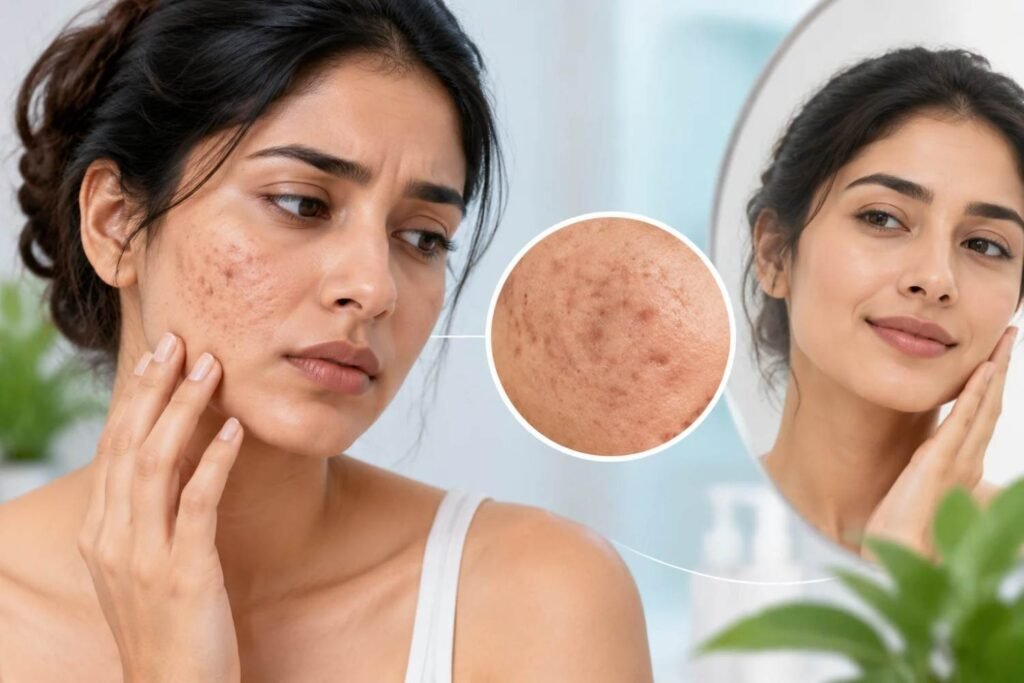
Old acne scars can remain visible long after breakouts have stopped. Fortunately, different acne scar treatment options can improve uneven texture and make scars less noticeable. The right approach depends on the depth, pattern, and age of the scars.
Understanding the types of acne scars is an important first step. Some scars appear as tiny deep pits, while others create wider depressions or an uneven surface. As these scars form differently, one procedure may not work equally well for everyone.
A dermatologist may recommend lasers, peels, microneedling, subcision, fillers, or a combination of procedures. Knowing what each option can realistically achieve can help you make an informed decision.
Understanding the Different Types of Acne Scars
Acne scars usually develop when inflammation damages skin tissue during the healing process. Too little collagen may leave depressed scars. Excess collagen, on the other hand, can cause raised scars.
Common scar patterns include:
- Ice pick scars: These are narrow, deep pits that extend into the skin. Their depth can make them more difficult to improve with surface-level procedures alone.
- Boxcar scars: These appear as round or oval depressions with relatively defined edges. They may be shallow or deep.
- Rolling scars: These create a wavy or uneven appearance because fibrous bands underneath the skin pull it downward.
- Raised scars: Some people develop thick or elevated scars when excess tissue forms during healing.
A person may also have more than one scar pattern at the same time. This is one reason why combination treatment is sometimes considered rather than relying on a single procedure.
Why Old Acne Scars Are Harder to Treat
Fresh acne marks and established scars are not the same. Dark or red marks left after a breakout may gradually fade. A true scar involves structural changes within the skin.
Older depressed scars may have established collagen loss or fibrous tissue beneath them. Therefore, creams and routine skincare cannot simply fill these depressions.
Depending on the scar, a dermatologist may recommend a skin resurfacing treatment or another procedure that targets deeper structural changes. Some methods encourage controlled skin renewal, while others stimulate new collagen or release tissue pulling a scar downward.
Improvement also takes time. Collagen remodelling continues gradually after many procedures, so the final change may not be visible immediately.
Effective Treatments for Acne Scars — Medical Options
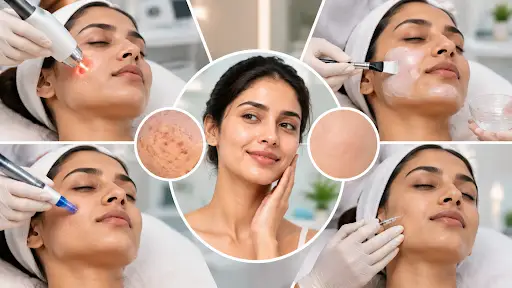
There is no single effective treatment for acne scars that works best for every person. Treatment needs to match the scar pattern, depth, skin type, and risk of pigmentation.
Here are some commonly considered medical options.
Laser Treatment for Acne Scars
Laser treatment uses controlled energy to target damaged skin and encourage remodelling. Depending on the technology used, treatment may focus on the surface or create controlled treatment zones within deeper layers.
Fractional lasers are often considered for textural irregularities and certain depressed scars. However, the appropriate laser and intensity should be selected carefully, particularly for darker skin tones that may be more prone to post-treatment pigmentation.
Redness, swelling, sensitivity, or temporary colour changes may occur after treatment. Sun protection and proper aftercare are therefore important.
Chemical Peels for Acne Scars
A chemical peel uses a carefully selected solution to remove controlled layers of damaged skin. This encourages cell turnover and can improve certain superficial irregularities and post-acne pigmentation.
Peels are available in different strengths. Superficial peels generally require less recovery time, while deeper procedures need more careful selection and aftercare.
Deep depressed scars usually cannot be corrected by a routine peel alone. A dermatologist may therefore combine peeling with another procedure when necessary.
Microneedling for Acne Scars
Microneedling involves creating controlled micro-injuries using fine needles. The process triggers the skin’s natural repair response and encourages collagen formation.
It may be considered for certain rolling or shallow depressed scars. Improvements generally develop gradually rather than immediately because collagen formation takes time.
Multiple sessions may be advised depending on scar severity. Temporary redness, mild swelling, or sensitivity can occur following a session.
Dermal Fillers and Subcision
Some depressed scars are caused partly by fibrous bands that pull the skin downward. Subcision works by releasing these bands beneath the scar. As the tethering is reduced, the depressed area may become less noticeable.
Dermal fillers may also be considered for selected depressed scars. They add volume underneath the affected area to make the skin surface appear more even.
These procedures do not suit every scar. For example, a deep narrow pit may require a different approach from a broad rolling depression.
Can Home Remedies Really Help with Acne Scars?
Google often recommends lemon juice, baking soda, oils, scrubs, or other home remedies for acne scars. These methods should be approached carefully.
Deep scars represent changes in the skin’s structure. Household ingredients cannot rebuild lost tissue or release fibrous bands underneath a scar. Some DIY ingredients may actually irritate the skin and cause inflammation or pigmentation.
A simple skincare routine can still support overall skin health. Gentle cleansing, suitable moisturisers, and sunscreen can help protect the skin. Certain dermatologist-recommended skincare products may also help manage pigmentation or support skin renewal.
However, skincare and medical scar procedures serve different purposes. Expectations should remain realistic when treating established scars.
How Much Does Acne Scar Treatment Cost?
There is no fixed acne scar removal cost that applies to everyone. Pricing can vary considerably because treatment plans are based on individual skin and scar characteristics.
Factors that can influence the overall expense include:
- Type and severity of scars
- Size of the treatment area
- Procedure selected
- Number of sessions required
- Technology or equipment used
- Need for combination procedures
- Follow-up and aftercare requirements
For example, someone with mild superficial irregularities may need a very different treatment plan from someone with deep rolling and narrow scars.
Instead of choosing a procedure based only on its price, it is better to understand why it has been recommended and what level of improvement can reasonably be expected.
What to Consider Before Choosing a Treatment
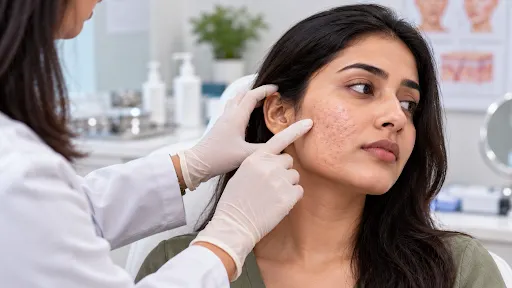
Before deciding on a procedure, several factors need to be assessed. A dermatologist consultation allows the skin and scars to be examined directly before a treatment plan is selected.
Important considerations include:
- Scar type and depth: Different scar patterns require different techniques.
- Skin tone: Some procedures carry a higher risk of temporary or persistent pigmentation in certain skin tones.
- Active acne: Ongoing breakouts may need to be controlled alongside or before scar-focused procedures.
- Downtime: Some treatments cause mild redness for a short period, while more intensive procedures may require longer recovery.
- Budget: Multiple sessions or combination procedures can affect the total expense.
- Expectations: Acne scar procedures generally aim for improvement rather than completely flawless skin.
Previous treatments, medical history, medications, tendency to develop raised scars, and current skincare may also influence treatment selection. Sharing these details with the doctor can help reduce avoidable risks.
Finding the Right Path to Clearer Skin
Old acne scars can be frustrating, but their appearance does not always have to remain unchanged. Modern acne scar treatment options can target different aspects of scarring, from uneven texture and collagen loss to tethered depressions.
The key is matching the procedure to the scar rather than choosing a treatment simply because it is popular. Some people may benefit from one technique, while others may need a carefully planned combination of procedures.
Realistic expectations are equally important. The aim is usually to make scars less noticeable and improve overall skin texture rather than promise complete removal.
For professional evaluation and personalised acne scar removal in Newtown, schedule a consultation with me to get an appropriate treatment plan.
Frequently Asked Questions
1. What is an effective treatment for old acne scars?
The suitable option depends on scar type and depth. Lasers, microneedling, peels, subcision, fillers, and combination procedures may be considered after examining the skin.
2. Can acne scars be removed permanently?
Treatment can make many scars significantly less noticeable, but complete removal cannot always be guaranteed. Results vary according to scar severity, skin characteristics, procedure choice, and individual healing.
3. Is laser treatment more effective than chemical peels for acne scars?
Neither treatment is automatically better. Lasers may be considered for certain textural scars, while peels can help selected superficial concerns and pigmentation. The appropriate option depends on the skin and scar pattern.
4. How many sessions are needed to see visible results?
There is no fixed number. Some people notice changes after a few sessions, while deeper or mixed scars may require a longer treatment plan. Improvement can also continue as collagen remodels after treatment.
5. Are home remedies effective for treating acne scars?
Home care may support general skin health but usually cannot correct deep structural scars. Harsh DIY ingredients may also cause irritation or pigmentation, so established scars are better assessed professionally.