


Seeing a new white patch on your skin can raise many questions. But noticing multiple new patches appearing within a short time or seeing existing patches expand can feel even more worrying. Many people immediately wonder — “Why is my vitiligo spreading now?” or “Does this mean my condition is getting worse?”
When vitiligo spreads suddenly, it may indicate that the condition has entered an active phase. This does not mean the skin changes cannot be managed, but it does mean your skin needs closer attention. Understanding why the patches are changing and getting the right medical guidance at the right time can make a difference.
A consultation with a vitiligo specialist can help determine whether your vitiligo is currently active, what factors may be influencing the changes, and which treatment approach may be suitable for your skin.
Recognising When Vitiligo Has Shifted Into an Active Phase
Vitiligo does not always follow a predictable pattern. Some people may have a few stable patches for years, while others may suddenly notice new areas of pigment loss developing over weeks or months.
This stage is often referred to as active vitiligo, where the immune process affecting pigment-producing cells is still ongoing.
Signs that your vitiligo may have entered an active phase include:
- New white patches appearing on previously unaffected skin
- Existing patches becoming larger
- Small patches merging into bigger areas
- New patches appearing after skin trauma
- Changes occurring in multiple areas within a short period
Rapid vitiligo progression means that pigment loss is happening faster than the usual slow pattern seen in stable cases.
Understanding the difference between active vitiligo vs stable vitiligo is important because the treatment focus may change. During active disease, doctors often focus on controlling further spread before concentrating on restoring lost pigment.
What’s Actually Happening Beneath the Surface
The visible white patch is only the outer sign of a deeper process happening inside the skin.
Vitiligo occurs when the immune system mistakenly targets melanocytes — the cells responsible for producing melanin, the pigment that gives skin its colour. This process is known as autoimmune loss of skin pigment.
When melanocytes are damaged, the affected skin areas gradually lose their natural colour. During an active phase, immune activity may continue affecting nearby melanocytes, which can result in new patches appearing.
This is why vitiligo is not simply a surface-level colour change. The skin may look unchanged from the outside, but immune activity beneath the surface can influence whether the condition remains stable or continues progressing.
A sudden increase in patches does not always mean the condition has become severe. However, it indicates that the disease pattern has changed and requires proper assessment.
Common Reasons Patches Spread Faster Than Expected

Many patients notice that their vitiligo becomes more noticeable after certain life events, health changes, or skin-related triggers. While the exact reason differs for each person, doctors often consider several possible causes of vitiligo flare-ups.
Increased Immune Activity
Since vitiligo involves an immune response against melanocytes, changes in immune activity may influence how quickly new patches appear.
Physical or Emotional Stress
Stress does not directly create vitiligo, but many patients report changes during periods of intense emotional pressure, poor sleep, or prolonged stress.
The connection between stress and vitiligo spread is still being studied, but stress-related hormonal and immune changes may influence disease activity in some individuals.
Other Autoimmune Conditions
People with vitiligo may sometimes have other autoimmune conditions. Identifying associated health concerns can help doctors understand the overall picture.
Changes in Treatment Routine
Stopping treatment suddenly, missing follow-ups, or changing medications without medical advice may affect disease control in some cases.
However, every case is different. A trigger noticed by one person may not affect another person in the same way.
Can an Injury or Cut Really Set Off New Patches?
Many people notice a new white patch appearing exactly where they had a cut, burn, scratch, or repeated skin irritation. This can happen because of a response known as the Koebner phenomenon.
The Koebner phenomenon refers to the development of new vitiligo patches at areas where the skin has experienced trauma.
Possible triggers may include:
- Cuts or wounds
- Burns
- Repeated friction from clothing or accessories
- Scratching due to skin irritation
- Certain cosmetic procedures causing skin injury
This does not mean every injury will cause vitiligo to spread. The response usually depends on whether the disease is already active and how an individual’s skin reacts.
If you already have vitiligo, protecting your skin from unnecessary injury can be an important part of daily care.
The First Steps After You Notice a Change
The first reaction many people have is to wait and observe. They may think, “Maybe this patch will stop growing on its own.”
Sometimes it may. But when new patches continue appearing, delaying assessment can make it harder to understand how active the condition currently is.
Here are practical steps to take:
- Take clear photographs of the affected areas
- Note when you first noticed the changes
- Check whether old patches are increasing in size
- Avoid trying unverified creams or home remedies
- Schedule a dermatology consultation
Seeking urgent vitiligo care means getting clarity when your skin shows signs of change. The earlier the disease activity is identified, the easier it becomes to plan the next steps.
Why Waiting It Out Can Cost You Treatment Time
Vitiligo treatment is not only about treating existing white patches. The stage of the disease also matters.
When vitiligo is actively spreading, the skin environment may not be ideal for immediate pigment restoration. Doctors often need to understand whether the immune activity causing pigment loss is still continuing.
Waiting for several more patches to appear before seeking advice may mean losing valuable time in controlling the active phase.
This does not mean every spreading patch will continue indefinitely. Some cases naturally slow down. But without assessment, it is difficult to know whether the condition is stabilising or progressing.
What a Specialist Will Actually Do at This Stage
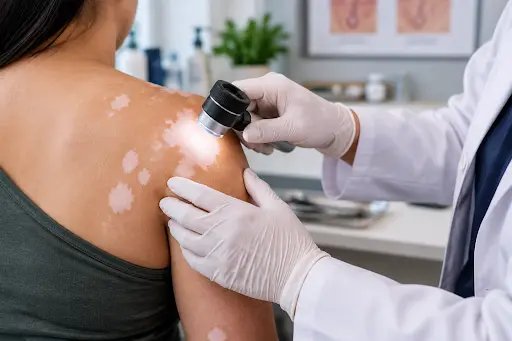
A specialist consultation is not just about looking at white patches. The doctor evaluates the pattern, speed, and behaviour of your vitiligo.
During assessment, a specialist may consider:
- How recently new patches appeared
- Whether existing patches are expanding
- The location and distribution of affected areas
- Previous treatments used
- Signs of ongoing disease activity
Based on this evaluation, suitable vitiligo treatment options may include medical therapies, light-based treatments, topical medications, or other approaches depending on individual factors.
A vitiligo specialist can help identify whether your skin requires disease stabilisation, pigment recovery support, or a combination approach.
The goal is to create a treatment plan based on how your vitiligo is behaving — not only how it appears on the surface.
How This Differs From Slow, Long-Term Repigmentation
Stopping new pigment loss and restoring lost colour are two different stages of vitiligo management.
During active spread, controlling disease activity is often the priority. Once the condition becomes stable, doctors may focus more on encouraging repigmentation.
Pigment recovery can depend on several factors, including:
- Location of the patches
- Duration of vitiligo
- Remaining melanocyte activity
- Individual response to treatment
Areas like the face may respond differently than areas such as the hands and feet. That is why you should always discuss treatment expectations after a proper skin evaluation.
Don’t Wait — Get Your Skin Assessed Today
A sudden increase in white patches signals that your skin needs attention. Whether it is an active phase, a temporary change, or a pattern that needs treatment adjustment, understanding the cause is the first step.
Vitiligo management works best when assessed by its current stage. Early guidance can help you understand what is happening and what options are available.
Searching for a vitiligo specialist in Kolkata?
Connect with me for a detailed evaluation and personalised approach to manage spreading vitiligo.
People Also Ask
1. How quickly can vitiligo spread once it becomes active?
The speed varies from person to person. Some people may notice new patches within weeks, while others may experience gradual changes over months.
2. Should you see a doctor immediately if you notice new patches?
New patches should be evaluated, especially when they appear quickly, increase in size, or occur in multiple areas.
3. Can stress alone cause vitiligo to spread rapidly?
Stress alone is not considered the only cause of vitiligo. However, prolonged stress may influence immune activity and may be associated with increased disease activity in some individuals.
4. Is sudden spreading vitiligo a sign that treatment isn’t working?
Not necessarily. Vitiligo activity can change over time. A specialist can review your current condition and decide whether your treatment needs to be modified.
5. Can active, spreading vitiligo be stabilised before starting repigmentation treatment?
Yes, treatment planning often considers whether vitiligo is active or stable. Doctors may first focus on controlling further spread before beginning strategies aimed at restoring pigmentation.