

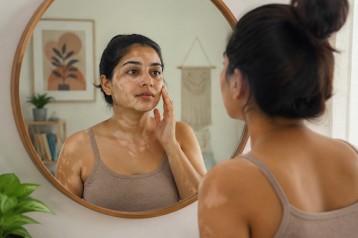
Imagine waking up one morning, glancing into the mirror, and noticing a pale patch that wasn’t there yesterday. A moment of “Hmm, that’s weird…” quickly turns into “Should I see a doctor?” Welcome to the world of vitiligo — a condition that’s as emotionally impactful as it is visually noticeable.
Understanding the early signs of vitiligo can empower you to take proactive steps toward diagnosis and care.
If you’re considering vitiligo treatment in Kolkata, grasping these initial signals helps you know when it’s time to consult a specialist, such as Dr Priyanka Aggarwal.
What Is Vitiligo?
Vitiligo is a chronic skin condition characterised by the loss of melanocytes — the skin cells responsible for pigment. As these cells malfunction or die, the skin loses colour in patchy areas, creating smooth, white spots of depigmentation. While not physically painful, vitiligo can affect emotional well‑being due to its visible nature.
Why Early Detection Matters
Identifying vitiligo in its early stages increases the chances of effective management before the patches spread. Early consultation can help:
- Determine the type and progression of vitiligo
- Rule out other causes of pigmentation changes
- Explore personalised vitiligo treatment options
This proactive approach is particularly useful if you’re considering vitiligo treatment in Kolkata under Dr Priyanka Aggarwal.
1. Light Patches on the Skin
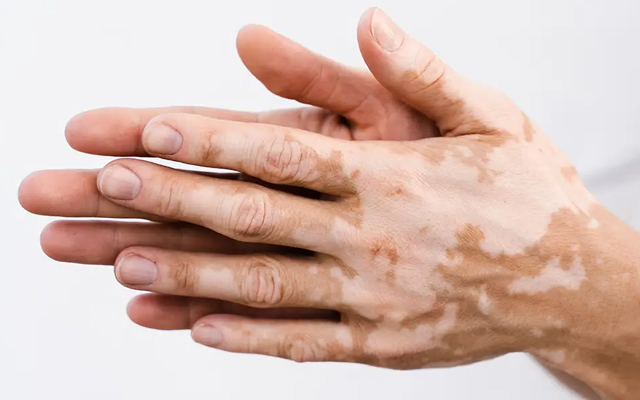
The most classic early sign is the appearance of small, ivory‑white patches. These can be flat and smooth — almost like areas where colour was “painted out.” They’re usually painless and don’t cause physical discomfort, but they’re hard to ignore.
Dermatologists note that vitiligo tends to appear where skin is thinner or more exposed to trauma/sunlight.
2. Symmetric Patch Patterns
Vitiligo often shows up on both sides of the body in similar places — a key clue that separates it from random scars or marks. If you see similar spots on both forearms, ankles, or knees, that’s one to log in your memory (or take a photo of).
3. Patch Sensitivity to Sun
Normal skin darkens when exposed to the sun, thanks to melanin. But depigmented skin doesn’t — and it can burn faster. This creates a stark contrast that makes vitiligo patches more noticeable after sun exposure.
4. Sudden Appearance
Vitiligo can appear rapidly — within weeks, even days. A patch you didn’t see last week but notice now? That progression is worth noting. Sudden onset is more common in younger individuals and those under stress.
5. Hair Depigmentation
Not just skin — vitiligo can affect hair. You might notice white or gray hairs around areas of depigmentation on your scalp, eyebrows, or eyelashes. This can be particularly concerning if it happens early in life.
6. Around Body Orifices
Vitiligo commonly affects areas around body entrances like:
- Lips
- Eyes
- Nostrils
- Genital areas
- Navel region
These are high-risk areas to examine during self‑checks.
7. Contrast With Tanned Skin
If you tan in the sun but certain spots stay starkly white, that contrast is another hallmark of vitiligo. The areas without melanocytes can’t produce pigment even in tanning conditions.
8. Mild Itching
Although often overlooked, many patients report a mild itch in early depigmented patches — especially before they widen. This itch isn’t like allergic itching; it’s more localised and discreet.
9. Family or Personal Autoimmune History
Vitiligo tends to have a genetic link. If a close relative has vitiligo, thyroid disease, or another autoimmune condition, your risk increases. That doesn’t guarantee you’ll develop it, but it warrants more attention to early signs.
10. Changes in the Eyes or Inner Ear
Less common, but vitiligo can affect melanocytes in the eyes and inner ear — potentially causing slight changes in vision or hearing sensitivity. These require clinical evaluation but can support a diagnosis.
When Should You See a Doctor?
So you’ve spotted one — or more — of these signs. What now?
You should consult a dermatologist if:
- Any white or light patch appears suddenly
- Patches spread over weeks or months
- You notice hair depigmentation nearby
- Two or more symmetric areas light up
- There’s intense emotional distress or cosmetic concern
Early assessment helps rule out other possible causes and confirms vitiligo via clinical evaluation.
The Doctor’s Role: Not Just Diagnosis — Treatment
Seeing a doctor early doesn’t just confirm vitiligo; it gives you options.
A dermatologist can help you with:
- Accurate diagnosis
- Discussing treatment goals
- Personalised management plans
- Support for emotional/cosmetic impact
If you need personalised care, exploring vitiligo treatment in Kolkata with experts like Dr Priyanka Aggarwal ensures you’re not navigating this alone.
How Is Vitiligo Treated?

While there’s no universal cure yet, a range of treatments can slow progression and restore some pigment. These include:
Medical Therapies
- Topical corticosteroids (reduce inflammation)
- Calcineurin inhibitors (especially for sensitive areas)
These aim to calm immune reactions that destroy melanocytes.
Light‑Based Therapies
- Narrowband UVB phototherapy is among the most effective options for stabilising spreading vitiligo.
Surgical Options
For stable, non‑spreading vitiligo:
- Skin grafting
- Melanocyte transplants
These are specialised procedures performed by experienced dermatologists.
Supportive Measures
- Sun protection
- Camouflage makeup
- Psychosocial support
These help with quality of life and appearance.
Each plan should be customised based on age, location of patches, extent of spread, and lifestyle — which is why professional guidance matters.
Common Myths vs. Facts
Let’s bust a few things people often hear:
❌ “Vitiligo is contagious.”
✔️ It’s not infectious — you cannot catch it from someone else.
❌ “Only adults get vitiligo.”
✔️ It can start at any age — even in childhood.
Getting facts straight helps you take action without unnecessary fear.
Final Tips Before You Seek Help
✔ Take photos over time — this helps your doctor assess progression.
✔ Note any family history of autoimmune conditions.
✔ Protect your skin from the sun — sunburn can make vitiligo patches look more prominent.
✔ Talk openly about emotional effects — vitiligo affects more than skin.
Don’t Wait on White Patches
Whether you’re checking your reflection after a beach day or noticing something strange in regular lighting, trusting your instincts counts. Early consultation helps you navigate options confidently.
If you’re considering vitiligo treatment in Kolkata, taking that first appointment with a trusted dermatologist — Dr Priyanka Aggarwal — could be the start of a journey toward understanding your skin, managing change, and feeling more in control.
Remember: vitiligo doesn’t define you — but understanding it can empower you.
Schedule a consultation today.
People Also Ask Questions
1. What are the first signs of vitiligo?
The earliest signs are usually small, white patches of skin that appear on the hands, face, or around body orifices. These patches may be symmetric and often contrast with tanned skin.
2. How quickly does vitiligo develop?
Vitiligo can develop suddenly over weeks or gradually over months. Rapid onset, especially in multiple areas, is a cue to consult a dermatologist.
3. Can vitiligo affect hair or eyes?
Yes, depigmentation may extend to hair, eyebrows, eyelashes, or even the retina in rare cases. Hair around patches may turn white or gray, signaling early progression.
4. When should you see a doctor for vitiligo?
You should consult a dermatologist if white patches spread quickly, appear symmetrically, or involve visible areas. Early consultation helps in personalised vitiligo treatment and management.
5. Is vitiligo contagious or harmful?
Vitiligo is not contagious and does not cause physical pain. However, it can affect emotional well-being and self-esteem, making early medical guidance important.