
Home / Treatments / Skin Treatments / Fungal-Bacterial Infections
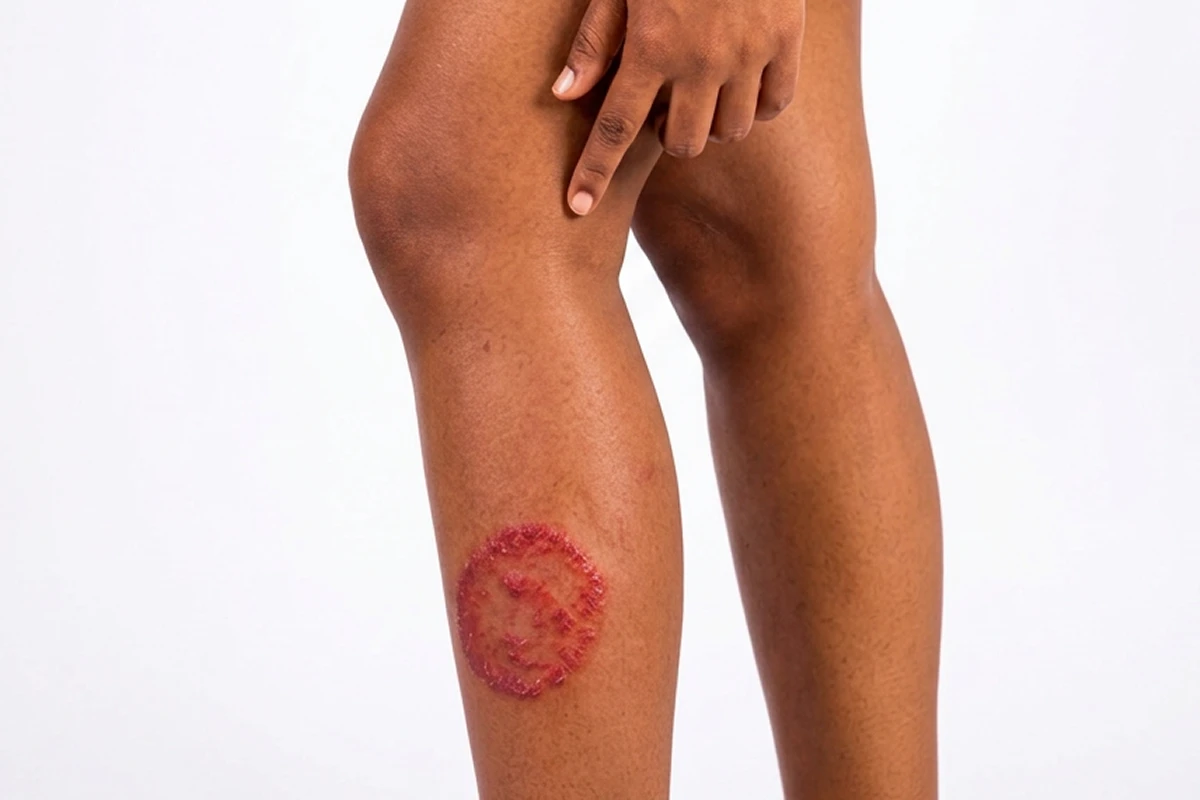
Got an itch that just won’t go away or a rash that keeps coming back? It’s frustrating, right? Fungal and bacterial infections are more common than you think, especially with sweat, humidity, or tight clothing. They can show up as redness, itching, or irritated patches—and ignoring them usually makes things worse. The right treatment can clear it up quickly and stop it from spreading, so your skin can get back to normal.
If your skin feels like it’s permanently annoyed, it may be asking for more than home remedies. With the right treatment approach, Dr Priyanka Aggarwal, a dermatologist, cosmetologist, and vitiligo specialist, helps bring irritated skin back to balance.
Fungal and bacterial infections love warm, sweaty corners of your skin. Itching, redness, and irritation are usually the first signs. Treatment focuses on stopping the infection, calming the skin, and preventing it from coming back. Depending on the condition, this may include antifungal or antibacterial creams, oral medications, medicated washes, or powders. With the right care, your skin can finally move past the discomfort and feel normal again.
Sometimes creams from the local pharmacy aren’t the real solution. Your skin may need expert attention. Book a consultation with Dr Priyanka Aggarwal, an experienced dermatologist known for effective treatment of fungal and bacterial skin infections.
Once treatment begins, a few smart habits can help your skin heal faster. Keep the affected area clean and dry, follow your medication routine exactly as advised, and wear loose, breathable clothing. Wash towels and clothes regularly, maintain personal hygiene, and give your skin the care it needs to recover properly.
While your skin is healing, don’t let old habits ruin the progress. Don’t scratch the affected area even if the itch feels tempting. Avoid tight, sweaty clothing that traps moisture. Don’t share towels, clothes, or personal items. And most importantly, don’t stop the treatment halfway just because the skin looks better.
| Problems Caused by Fungal/Bacterial Infections | Benefits of Proper Treatment |
|---|---|
| Persistent itching and skin irritation that interferes with daily comfort | Relieves itching and calms irritated skin |
| Redness, rashes, and inflamed skin patches | Reduces redness and helps the skin heal |
| Infection spreading to nearby skin areas | Stops the infection from spreading further |
| Recurring infections due to incomplete care | Targets the root cause and prevents recurrence |
| Skin discomfort affecting confidence and routine | Restores healthy skin and improves comfort |
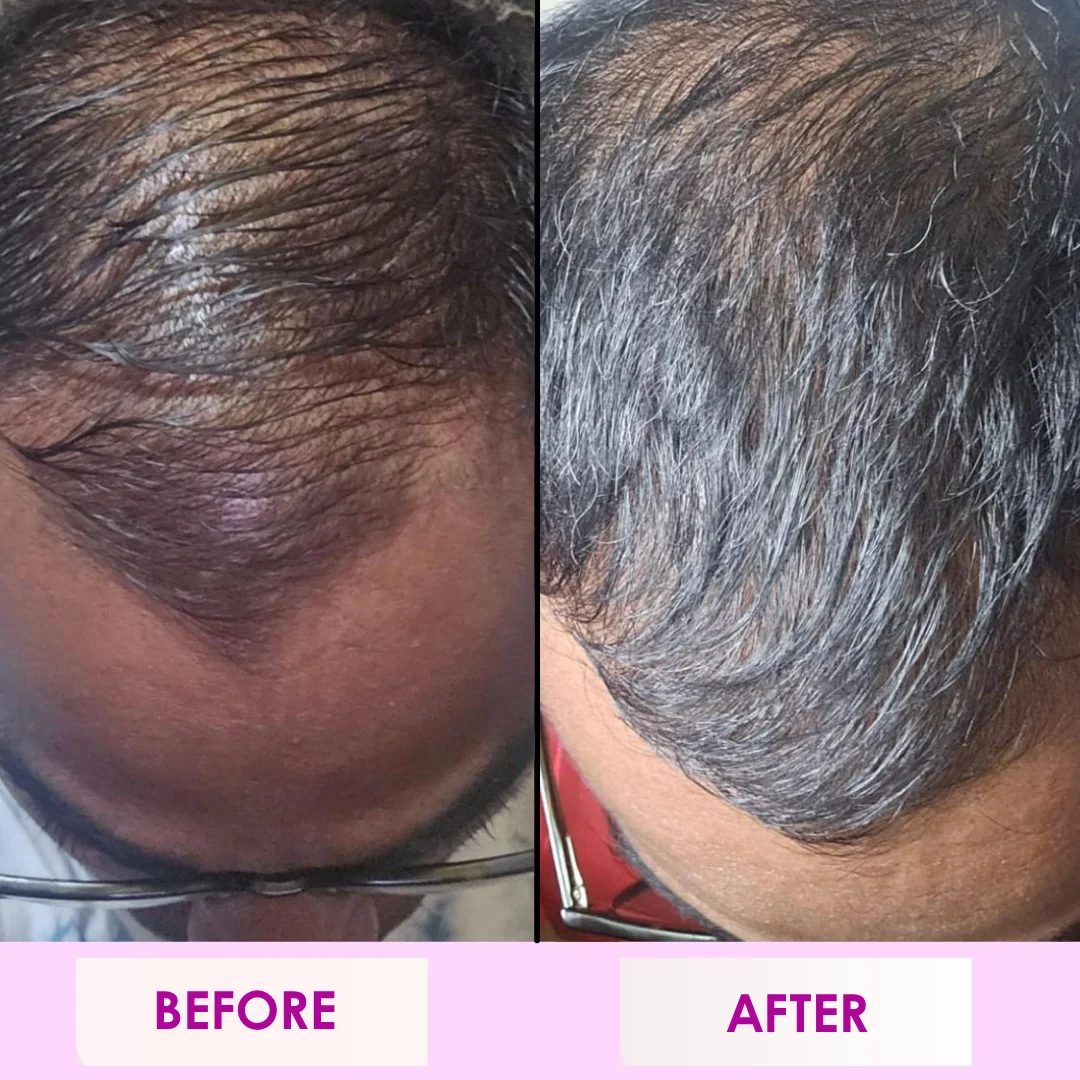
Get answers to additional queries and personalised advice from the expert dermatologist.