Hirsutism Treatment in Newtown

Home / Treatments / Hair Treatments / Hirsutism
Hirsutism Treatment in Newtown

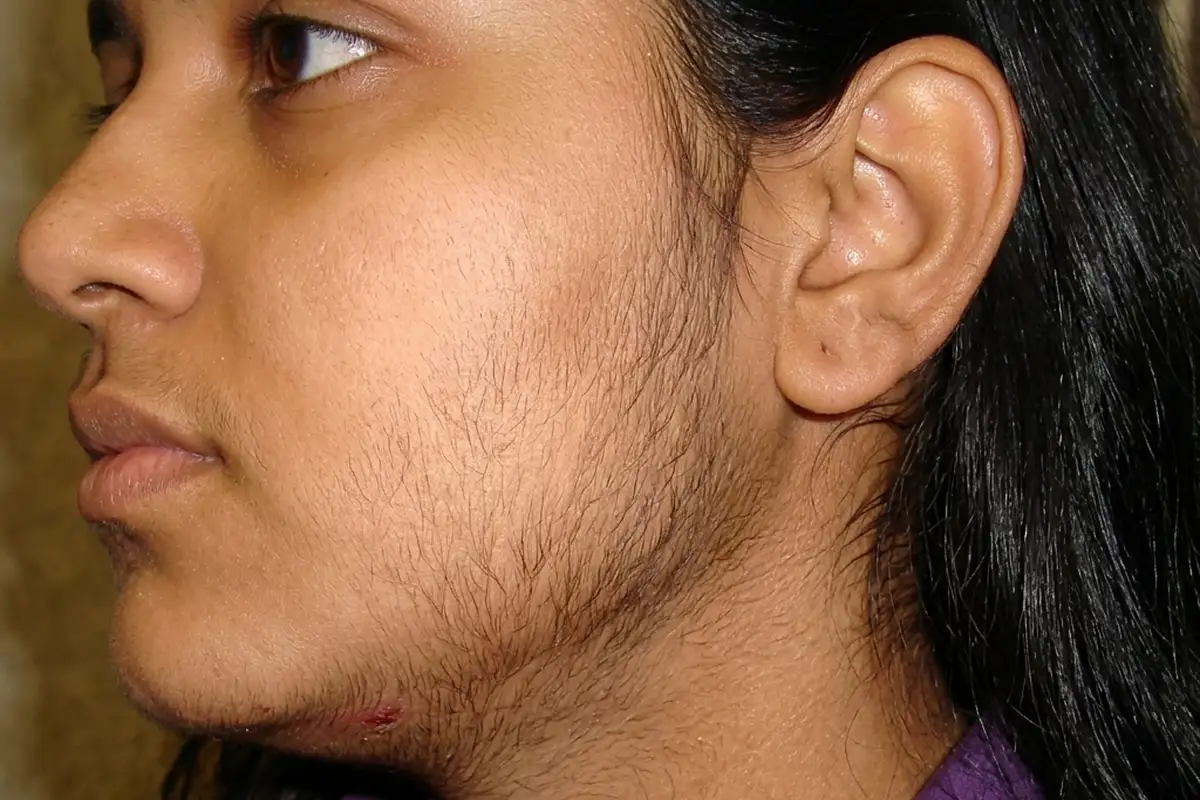
Unwanted hair growth can feel like an unexpected guest that refuses to leave. When thick, dark hair starts growing on areas like the face, chest, or back in women, it may point to a condition called hirsutism, where the body produces hair in a more male-pattern style. The good news is that modern dermatological treatments can help address the underlying cause and safely reduce excess hair.

If the mirror has been pointing out stubborn hair growth lately, it might be time to get expert guidance. Book a consultation with Dr Priyanka Aggarwal, a dermatologist, cosmetologist, and vitiligo specialist, to find the right treatment plan.

What is Hirsutism Treatment?

Some conditions can directly hit your self-esteem and confidence, along with your appearance. Hirsutism is one such condition where thick and dark hair appears on areas like the face, chest, or back in females. This happens when androgens (male hormones) become more active than usual. Hirsutism treatment focuses on identifying the hormonal trigger and reducing excessive hair growth through medical evaluation and dermatological treatments, helping restore smoother skin and renewed confidence.

Hirsutism may not vanish overnight, but it doesn’t have to take over your confidence either. Dr Priyanka Aggarwal helps you manage it with the right medical approach. Book your consultation today.

Dos

After hirsutism treatment, treat your skin like it has just finished an important job. Keep the treated area clean, follow the skincare or medications your doctor recommended, and be gentle with your skin. Hydration, a balanced diet, and patience help the treatment work better.

Don’ts

Avoid picking, scratching, or constantly checking the treated area in the mirror every five minutes. Stay away from harsh hair-removal methods, strong skincare chemicals, and excessive heat treatments unless the doctor approves them. Random home remedies and sudden experiments can confuse your skin and slow down the results.

Types of Hirsutism Treatments

Many patients ask Dr Priyanka Aggarwal why unwanted hair seems so stubborn. Her answer is simple—when hormones and follicles team up, the results can be persistent. Let the expert walk you through the treatments she recommends to manage hirsutism.

Laser Hair Removal

A treatment that uses focused light energy to target hair follicles and gradually reduce unwanted hair growth.

Permanent Hair Removal

A long-term solution that weakens hair follicles over multiple sessions, helping prevent hair from growing back.

Diode Laser Hair Removal

An advanced laser technology that precisely targets hair follicles for safer and more effective hair reduction.

When hair decides to grow where it clearly wasn’t invited, it helps to have a proper plan. Dr Priyanka Aggarwal can help you explore treatments that effectively manage unwanted hair growth.

Benefits of Hirsutism Treatments

Problems Associated with Excess Hair Growth How Hirsutism Treatments Address the Problem
Thick, coarse hair appearing on the face or chin Treatments weaken the hair follicles and gradually reduce the thickness of new hair growth
Rapid regrowth after shaving or waxing Medical and laser treatments slow down the hair growth cycle over time
Dark, visible hair affecting facial appearance Targeted therapies reduce pigmentation and density of unwanted hair
Hormonal imbalance causing excess hair Treatments help manage hormonal triggers responsible for abnormal hair growth
Skin irritation from frequent hair removal methods Professional treatments reduce the need for constant shaving, waxing, or threading

Who needs Hirsutism Treatment?

Hair growth usually follows a predictable map—until it suddenly decides to redraw the borders. When unwanted hair begins appearing more than expected, it could be your body sending a small signal. Look at some signs that indicate hirsutism treatment may be needed.

Signs to Watch For

Excess facial hair growth

Frequent upper lip hair

Unwanted chest hair

Coarse hair appearing on the jawline

If your hair follicles seem to be running their own little rebellion, it might be time to bring in expert control. Visit Dr Priyanka Aggarwal to understand the cause and explore effective hirsutism treatments.

Recovery after Hirsutism Hair Removal Treatment

After hirsutism treatment, your skin and hair follicles usually take a little quiet time to settle down. This recovery phase is where the skin starts showing small signs that the treatment is doing its job.

Signs Of Healthy Recovery

Gradual reduction in hair growth

Skin texture feels smoother

Reduced redness after treatment

New hair appears finer

Commonly Asked Questions

Get answers to additional queries and personalised advice from the expert dermatologist.
Hirsutism treatment for women focuses on excess hair growth management by addressing the hormonal signals that stimulate hair follicles. Doctors may combine hormonal hair disorder therapy, androgen-related hair control, and targeted hair growth suppression to slow unwanted hair growth and improve skin appearance.
The best treatment for hirsutism depends on the cause of the condition. Dermatologists may recommend laser hair follicle inhibition, permanent hair reduction approaches, or medical treatment for hirsutism that targets hormonal imbalances and supports long-term female androgenetic hair management.
Yes. Laser treatment for hirsutism works through laser hair follicle inhibition, which gradually weakens hair follicles and reduces regrowth. It is commonly used as a facial hair reduction procedure for upper lip and chin hair control, and helps with unwanted facial hair correction.
Yes, many women experience excess hair due to hormonal conditions such as PCOS. In such cases, PCOS-related hair management and endocrine-related hair disorder therapy are often recommended to control androgen levels and reduce hair growth.
The cost of hirsutism treatment depends on the type of therapy used, the number of sessions required, and whether treatments include non-invasive hair removal, specialised hirsutism care, or dermatological hypertrichosis treatment for more advanced cases. Consulting a hirsutism specialist doctor helps determine the most suitable approach.